

Fast-Growing Aquarium Plants: 10 Species That Thrive
Table of Contents
- Why Fast-Growing Aquarium Plants Matter for Your Tank
- Floating Plants for Rapid Surface Coverage
- Easy Aquarium Plants for Beginners Without Special Equipment
- Fast-Growing Stem Plants for Aquariums and Background Growth
- Rooted Plants That Spread Quickly via Runners
- Aquarium Plants That Grow Without CO2 Injection
- Aquarium Plants to Reduce Algae and Absorb Excess Nutrients
- Quick Comparison: Growth Speed, Care, and Price
- Frequently Asked Questions
Last Updated: October 20, 2026
Why Fast-Growing Aquarium Plants Matter for Your Tank
Fast-growing aquarium plants establish a healthy planted tank quickly: they multiply rapidly, create dense coverage, and absorb excess nutrients that would otherwise fuel algae blooms.
The biggest advantage is speed: slow-growing plants take months to fill a tank, while fast-growing plants establish a lush ecosystem in weeks.
The tradeoff: you'll need to trim regularly.
Below, we've organized the best fast-growing aquarium plants by category: floating plants for surface coverage, stem plants for background height, rooted plants that spread via runners, and no-CO2 options for low-tech setups.
Floating Plants for Rapid Surface Coverage
Floating plants are the fastest way to shade your tank and reduce algae. They need zero substrate and no rooting time, and they multiply by simply breaking apart, so you'll see visible results in week one.
Floating plants excel at nutrient absorption because their roots dangle in the water column, directly accessing dissolved nutrients.
The tradeoff: floating plants block light. If you have stem plants or carpeting plants below them, you'll need to manage coverage carefully or shade-tolerant species will struggle. Use floating rings to create open areas where needed.
Hornwort: The Bushy Beginner Floater
Hornwort grows to 6 feet or more and is nearly impossible to kill, tolerating temperature swings, pH shifts, and even brackish water.
The maintenance reality: hornwort grows so aggressively it can overtake a tank in weeks, so you'll trim constantly to keep it from blocking light below. It's medium light, so it works without intense lighting.
Ceratophyllum Demersum, "Hornwort" at Ohenrystanksalot costs $3.75 and arrives fully transitioned. Its bushy foliage makes it excellent shelter for fish fry and shrimp.

Frogbit and Red Root Floaters: Manageable Growth
Frogbit grows large, round emerald-green leaves and extensive roots that reach toward the substrate.
Red root floaters are delicate, slower-growing, and sought after for pink-tinged leaves and striking red roots.
Both propagate via runners with baby plantlets attached. You can remove plantlets manually to keep coverage in check or let them spread naturally.
Frogbit at Ohenrystanksalot is $5.50, and Red Root Floaters are also $5.50. Both arrive fully acclimated to aquatic life, eliminating the "plant melt" risk many online buyers experience.

Salvinia and Dwarf Water Lettuce: Nutrient Absorbers
Salvinia minima forms tight mats of small leaves that stay clumped together, unlike duckweed, which scatters and clogs filters. Goldfish keepers favor it because goldfish find its fuzzy texture unpalatable.
Dwarf water lettuce creates smooth, velvety coverage with rosettes up to 3 inches across, grows quicker than regular water lettuce, and propagates via runners. Both absorb excess nitrates in heavily stocked tanks.
Salvinia Minima costs $3.75, and Dwarf Water Lettuce is $5.50. Both prefer low surface disruption from filters or air stones, so consider floating rings to create calm pockets.
Easy Aquarium Plants for Beginners Without Special Equipment
Beginner-friendly fast-growing plants thrive in standard setups: basic lighting, inert substrate, and no CO2 injection. They forgive inconsistent care and still grow visibly week to week.
The common beginner mistake is buying slow-growing plants first; by the time they establish, patience has run out. Fast-growing plants deliver quick wins and build momentum.
All the plants in this guide grow without CO2 because Ohenrystanksalot cultivates them in low-tech conditions. This means they're already adapted to your setup when they arrive, no acclimation period, no "melting," no die-off.
Fast-Growing Stem Plants for Aquariums and Background Growth
Stem plants are the backbone of a tank's vertical structure, growing upward in columns that create depth and background density. Most multiply through cuttings: snip the stem, replant, and you've doubled your plant count.
Stem plants are fast because their leaves absorb nutrients directly from the water column, making them responsive to light and fertilizer changes: increase light and growth accelerates noticeably.
The maintenance reality: stem plants need regular trimming to stay bushy. Without pruning, they grow tall and leggy, shedding lower leaves and looking sparse. Trim when stems reach 4-6 inches for a fuller appearance.
Jungle Val: Extreme Height and Speed
Jungle Val grows 4 to 6 feet tall with inch-wide foliage that creates a dramatic natural canopy.
It propagates via underground runners; baby plantlets emerge from the mother plant's roots and can be separated and relocated.
The honest limitation: Jungle Val can overtake a tank if you're not vigilant. It's for aquarists who want jungle-style density and are prepared to trim monthly.
Vallisneria Gigantea, "Jungle Val" at Ohenrystanksalot is $6.00. It requires medium to high light and nutrient-rich substrate to reach its full potential.
Rotala and Ludwigia: Mid-Range Color and Growth
Rotala rotundifolia grows 6 to 12 inches and is quick-growing without being aggressive.
Ludwigia Super Red reaches 20 inches and delivers the bright red coloring many aquarists crave, even in low-tech setups without CO2. It grows quickly and needs frequent pruning to avoid becoming a tall, sparse column.
Both propagate easily from cuttings. Snip between two nodes, replant, and the cutting will root within days.
Rotala Rotundifolia var. "Green" is $5.50, and Ludwigia Palustris, "Super Red" is also $5.50. Both arrive fully transitioned and ready to plant immediately.
Rooted Plants That Spread Quickly via Runners
Rooted plants anchor in substrate and spread horizontally via runners, underground stems that produce new plantlets. They're ideal for foreground and midground coverage because they stay low and fill space laterally.
Runner plants are the fastest carpet builders: a single Dwarf Sagittaria can fill a 10-gallon tank's foreground in 6-8 weeks. The tradeoff is removing excess runners to prevent overcrowding.
These plants respond to substrate quality. Better substrate (nutrient-rich soil, root tabs) accelerates growth noticeably. In bare sand or gravel, they'll still grow, but slower.
Dwarf Sagittaria: Foreground Carpet Builder
Dwarf Sagittaria grows 2 to 6 inches tall and produces abundant runners that carpet the substrate quickly.
This plant is tough. It tolerates many conditions and rarely melts even in new tanks. It's one of the most reliable beginner carpeting plants available.
The maintenance pattern: once established, you'll remove excess runners every 2-3 weeks to prevent the carpet from becoming too dense and choking itself out.
Sagittaria Subulata "Dwarf" at Ohenrystanksalot is $3.00, the lowest price in our inventory. It's an outstanding value for a reliable, fast-growing carpet plant.
Anacharis: Stem and Floating Hybrid
Anacharis (Egeria densa) is unusual: it grows as a rooted stem plant or floats freely, reaches 12 inches or more, and grows quickly in both forms. It's beginner-friendly and nearly indestructible.
When rooted, it spreads via side shoots. When floating, it propagates by breaking apart.
The one limitation: Anacharis is prone to melting in established tanks if water parameters shift suddenly. In older tanks, acclimate it slowly or it may shed leaves.
Anacharis Najas costs $4.00 and arrives fully transitioned to aquatic conditions. It's medium to high light, so it works in most standard setups.

Aquarium Plants That Grow Without CO2 Injection
All the plants in this guide grow without CO2 injection. That's Ohenrystanksalot's core principle: we cultivate every species in low-tech conditions so they thrive immediately in your tank without special equipment.
CO2 systems add cost, complexity, and maintenance burden. They're useful for demanding plants, but unnecessary for fast-growing species. The plants that grow fastest without CO2 are floating plants and stem plants, they access nutrients from the water column directly.
Rooted plants benefit from nutrient-rich substrate and root tabs, but still grow well in basic gravel. The difference is speed and vigor, not survival.
Aquarium Plants to Reduce Algae and Absorb Excess Nutrients
Fast-growing plants are your most effective algae control. They consume the excess nitrogen and phosphorus that fuel algae blooms.
The mechanism is straightforward: algae and aquatic plants compete for the same nutrients. Fast-growing plants win because they multiply quickly and absorb nutrients aggressively.
Floating plants are the most effective nutrient absorbers because their roots dangle directly in the water column.
The best algae prevention strategy is simple: choose fast-growing species, plant densely, and prune regularly. This approach works for green water algae, hair algae, and most other common algae types.
Quick Comparison: Growth Speed, Care, and Price
| Plant | Growth Speed | Light Required | Substrate Needed | Price | Best For |
|---|---|---|---|---|---|
| Hornwort | Extremely fast | Medium | None (floats) | $3.75 | Rapid surface coverage, fish shelter |
| Jungle Val | Extremely fast | Medium-High | Yes (deep) | $6.00 | Background height, dramatic growth |
| Dwarf Sagittaria | Very fast | Medium-High | Yes | $3.00 | Foreground carpet, budget option |
| Rotala | Very fast | Medium-High | Yes (preferred) | $5.50 | Midground density, easy propagation |
| Ludwigia Super Red | Very fast | Medium-High | Yes (preferred) | $5.50 | Color accent, midground height |
| Frogbit | Fast | Medium-High | None (floats) | $5.50 | Nutrient absorption, fry shelter |
| Red Root Floaters | Moderate | Medium-High | None (floats) | $5.50 | Aesthetic appeal, manageable growth |
| Salvinia Minima | Fast | Medium-High | None (floats) | $3.75 | Clumped surface coverage, goldfish-safe |
| Dwarf Water Lettuce | Fast | Medium-High | None (floats) | $5.50 | Surface coverage, runner propagation |
| Anacharis | Very fast | Medium-High | Optional | $4.00 | Flexible placement, beginner-friendly |
The fastest plants overall are hornwort and Jungle Val, both can double in size within weeks. The most forgiving for beginners are Dwarf Sagittaria, Anacharis, and Salvinia because they tolerate inconsistent care.
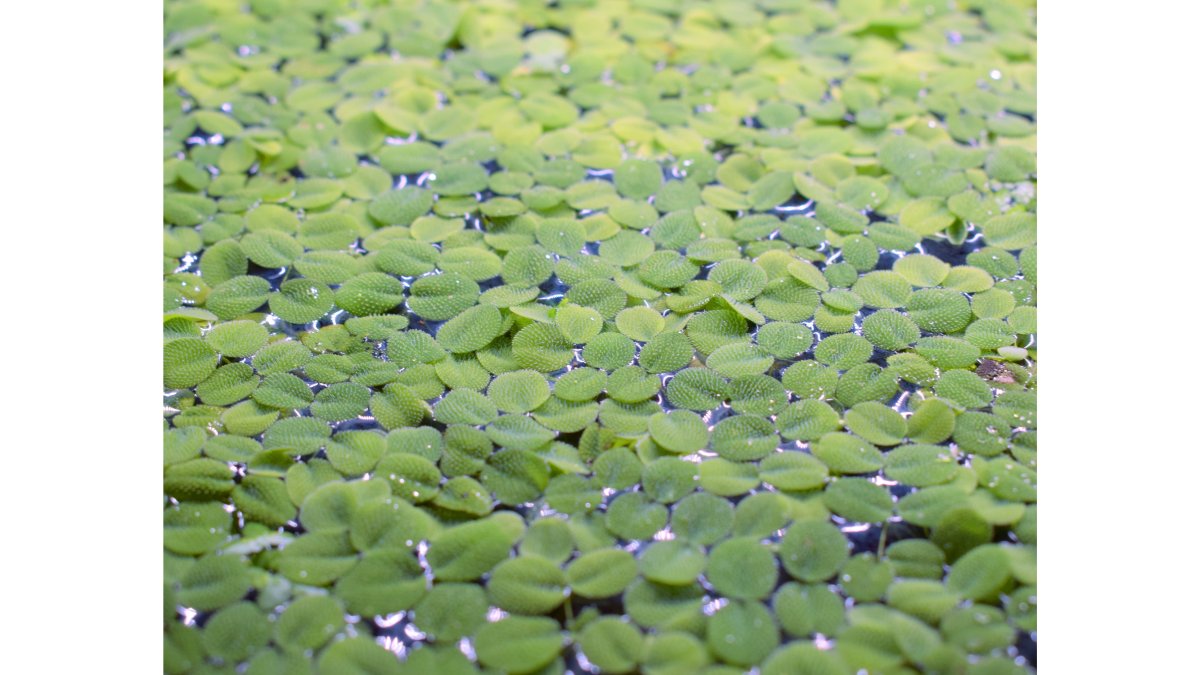
Floating plants are your fastest surface coverage solution and require zero substrate maintenance. Stem plants deliver background height and color options. Rooted plants create dense foreground carpets. Choose based on your tank layout and maintenance tolerance.
All prices reflect current Ohenrystanksalot inventory. We offer free overnight shipping on orders over $125 and an Arrive-Alive Guarantee with our 7-day Thrive Policy.
Frequently Asked Questions
Can aquarium plants grow quickly without CO2?
Yes. Many fast-growing aquarium plants thrive without CO2 injection, including hornwort, Jungle Val, Ludwigia Super Red, and floating species like frogbit and dwarf water lettuce. Ohenrystanksalot grows all their plants without CO2, ensuring they adapt immediately to your tank. Medium-to-high lighting and basic fertilization support rapid growth in low-tech setups.
Which fast-growing aquarium plants are best for beginners?
Hornwort, dwarf sagittaria, and floating plants like frogbit and red root floaters are ideal for beginners. These easy aquarium plants for beginners tolerate variable water conditions, require minimal maintenance, and propagate naturally. Hornwort reaches up to 6 feet and costs just $3.75; dwarf sag creates dense carpets starting at $3.00. All are hardy and forgiving of beginner mistakes.
How do fast-growing aquarium plants help control algae?
Fast-growing plants outcompete algae for nutrients and light. Frogbit, dwarf water lettuce, and red root floaters are exceptional nutrient absorbers, pulling excess nitrates and phosphates from the water column that fuel algae blooms. By filling your tank with dense, healthy foliage, these plants shade the substrate and water, reducing algae growth naturally without chemicals.
How often should you trim fast-growing aquarium plants?
Stem plants like Jungle Val, Rotala, and Ludwigia need trimming every 2-4 weeks once established, especially if you want a bushier appearance. Start trimming Rotala when stems reach 4 inches long. Floating plants should be thinned as needed to prevent surface overgrowth. Regular trimming prevents light blockage to lower leaves and encourages dense, healthy propagation through cuttings.
What is the easiest aquarium plant to grow?
Hornwort and dwarf sagittaria are among the easiest. Hornwort floats freely, tolerates wide temperature and pH ranges, and grows to 6 feet with minimal care, just trim regularly. Dwarf sag creates foreground carpets with abundant runners and thrives in low to high light. Both are beginner-friendly, cost under $4, and propagate naturally without special equipment or fertilizers.
Fast-growing aquarium plants transform a bare tank into a thriving ecosystem in weeks rather than months. The species we carry at Ohenrystanksalot are cultivated without CO2 so they adapt immediately to your setup without melting or die-off. Each plant arrives fully transitioned and ready to plant. Shop all plants and build your planted tank with confidence, our real human support team is available by phone if you have questions about species selection or care.