

Best Aquatic Plants for Beginners: 10 Easy Picks
Table of Contents
- Quick Comparison: 10 Best Aquatic Plants for Beginners
- 1. Anubias Nana: The Slow-Growing Foreground Classic
- 2. Java Fern: Hardy, Adaptable, and Nearly Indestructible
- 3. Hornwort: The Floating Stem Plant That Grows Anywhere
- 4. Anacharis: A Fast-Growing Stem Plant for Quick Coverage
- 5. Anubias Minima: Tall, Wavy Leaves for Midground Impact
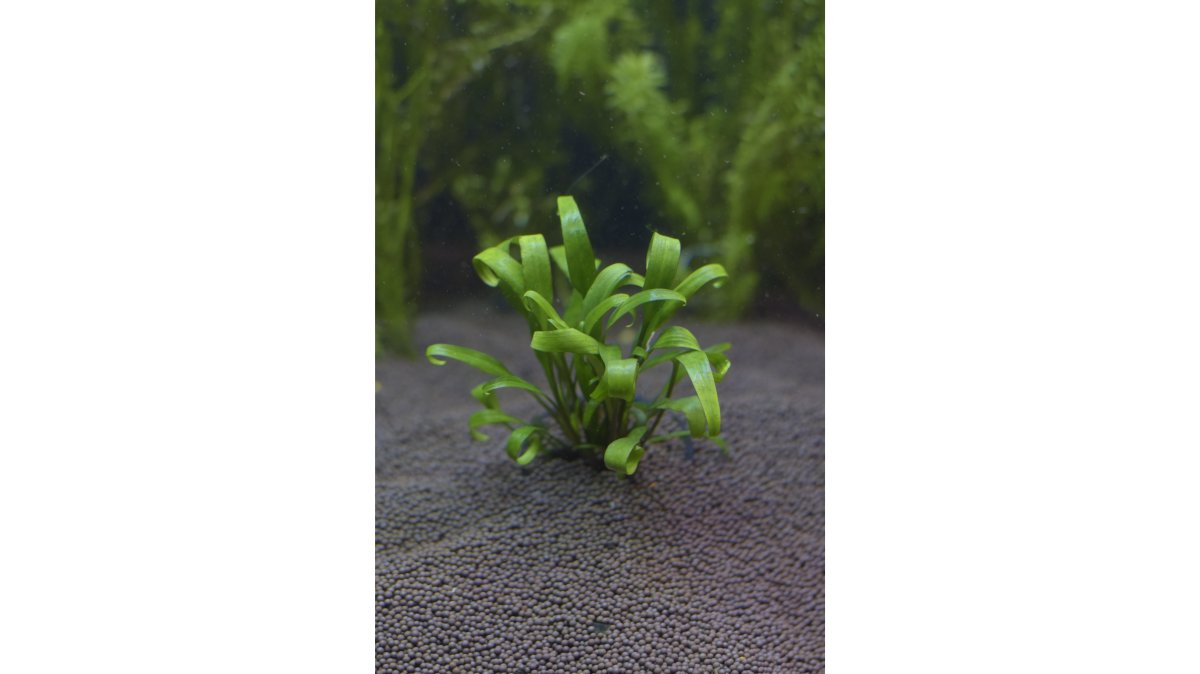
- 6. Cryptocoryne Lutea: A Low-Light Root Feeder for Shady Spots
- 7. Corkscrew Vallisneria: Background Height With Zero Fuss
- 8. Amazon Sword: The Centerpiece for Larger Tanks
- 9. Dwarf Sagittaria: A Carpet That Almost Plants Itself
- 10. Frogbit: Surface Cover That Soaks Up Excess Nutrients
- How to Plant Aquarium Plants: Match the Method to the Type
- Low-Tech Aquarium Plants: Lighting and Care Requirements
- Frequently Asked Questions
Last Updated: October 4, 2026
Quick Comparison: 10 Best Aquatic Plants for Beginners
The best aquatic plants for beginners tolerate low light, need no CO2 injection, and survive the first month in a new tank.
The list covers foreground, midground, background, and floating plants, so you can fill every layer of a freshwater tank without extra equipment.
| Plant | Position | Light | CO2 Needed | Size |
|---|---|---|---|---|
| Anubias Nana | Foreground | Low-Medium | No | 3-5 in |
| Java Fern | Midground | Low-Medium | No | 5 in |
| Hornwort | Floating | Medium | No | Up to 6 ft |
| Anacharis | Background | Medium-High | No | 12+ in |
| Anubias Minima | Midground | Low-Medium | No | 6-10 in |
| Cryptocoryne Lutea | Foreground | Low-Medium | No | 4 in |
| Corkscrew Vallisneria | Background | Medium-High | No | 12-20 in |
| Amazon Sword | Background | Medium-High | No | Up to 24 in |
| Dwarf Sagittaria | Foreground | Medium-High | No | 2-6 in |
| Frogbit | Floating | Medium-High | No | 2 in leaves |
1. Anubias Nana: The Slow-Growing Foreground Classic
Anubias Nana is the safest first purchase you can make: 3-5 inches, low to medium light, and slow growth that never crowds the tank.

It's epiphytic, so the rhizome must stay above the substrate, bury it and it rots. Tie or glue it to driftwood or stone instead, where it draws nutrients from the water column.
- Pros: Nearly impossible to kill, thrives in shade, easy to propagate by cutting the rhizome
- Cons: Slow growth means it won't fill a tank quickly
- Price: $4.50
2. Java Fern: Hardy, Adaptable, and Nearly Indestructible
Java Fern is the most forgiving plant on this list: low to medium light, about 5 inches, and tolerant of water parameters that stress delicate species.

Like Anubias, it's epiphytic: attach it to hardscape rather than planting it.
- Pros: Survives neglect, propagates itself, works in almost any tank
- Cons: Brown patches appear if the rhizome gets buried
- Price: $5.50
If you want to learn how to plant aquarium plants that grow from a rhizome, start here.
Microsorum Pteropus, "Java Fern"
3. Hornwort: The Floating Stem Plant That Grows Anywhere
Hornwort grows in a wider range of conditions than any rooted plant here, from cold to warm and soft to hard water.
Don't plant it, buried portions rot away. Let it float, or weigh it near the substrate.
The one real task is trimming. Left alone, hornwort can overtake a tank, blocking light and consuming nutrients other plants need.
- Pros: Grows in almost any water, provides fry cover
- Cons: Needs regular trimming to stay manageable
- Price: $3.75
Ceratophyllum Demersum, "Hornwort"

4. Anacharis: A Fast-Growing Stem Plant for Quick Coverage
Anacharis reaches 12 inches or more, handles medium to high light, and fills empty space fast in a new tank.
It works floating or anchored in the substrate, and absorbs excess nutrients that would otherwise feed algae, a real benefit during the first month, when new tanks run rich in nitrogen.
- Pros: Fast growth, easy to trim and replant cuttings
- Cons: Can look leggy in low light
- Price: $4.00
5. Anubias Minima: Tall, Wavy Leaves for Midground Impact
Anubias Minima is the taller, narrower cousin of Nana: 6-10 inches with long, wavy leaves that add movement to the midground.
Same rule applies: keep the rhizome out of the substrate. Attach it to stone or wood with good flow around the roots.
- Pros: Striking leaf shape, tolerates shade, minimal upkeep
- Cons: Higher price than the smaller Anubias varieties
- Price: $9.00
6. Cryptocoryne Lutea: A Low-Light Root Feeder for Shady Spots
Cryptocoryne Lutea is around 4 inches, slow-growing, and happy in low to medium light.
Unlike the epiphytes above, this one is a root feeder. It wants a nutrient-rich substrate, or root tabs if your substrate is inert. Expect older leaves to drop after planting.
- Pros: Handles shade, sends out runners that build a carpet over time
- Cons: Often drops leaves after being moved
- Price: $4.00
7. Corkscrew Vallisneria: Background Height With Zero Fuss
Corkscrew Vallisneria grows 12-20 inches with spiraling blades that reach the top of most standard tanks, and handles a wide range of water parameters and temperatures.
Plant it in the substrate and let it run. It sends out runners with plantlets you can pop off and reposition; medium to high light keeps it compact.
- Pros: Fast background height, propagates freely, low nutrient demand
- Cons: Runners can spread across the whole tank if unchecked
- Price: $5.50
Vallisneria Americana "Corkscrew"
8. Amazon Sword: The Centerpiece for Larger Tanks
The Amazon Sword is the classic centerpiece, reaching up to 24 inches with broad green leaves. It's a heavy root feeder, so it needs a nutrient-rich substrate at least two inches deep, plus root tabs over time.
Fish often spawn on its leaves, and the canopy shelters fry. Give it medium to high light and room to spread.
- Pros: Bold centerpiece, shelters fry, long-lived
- Cons: Too large for nano tanks, demands root feeding
- Price: $5.00
Echinodorus Amazonicus, "Amazon Sword"
9. Dwarf Sagittaria: A Carpet That Almost Plants Itself
Dwarf Sagittaria grows 2-6 inches and spreads by runners, carpeting the foreground from just a few starter plants. It handles low to high light, though brighter light keeps it short and bushy.
Trim it to the length you want. Left long in low light, it can stretch to a foot and lose the carpet look.
- Pros: Cheap way to carpet a tank, spreads on its own
- Cons: Needs stronger light to stay compact
- Price: $3.00
10. Frogbit: Surface Cover That Soaks Up Excess Nutrients
Frogbit floats at the surface with round leaves up to two inches across and long roots reaching toward the substrate. It's an excellent absorber for excess nutrients!
It handles medium to high light and spreads by side shoots. Pull offshoots to give each plant more room, and you get larger leaves plus a free plantlet.
- Pros: Excellent nutrient uptake, roots shelter small fish
- Cons: Can shade plants below if left unchecked
- Price: $5.50
Frogbit - Hydrocharis laevigata
How to Plant Aquarium Plants: Match the Method to the Type
Planting method matters more than plant choice. Get it wrong and even hardy species rot within weeks. The four groups below cover every plant on this list.
Rhizome plants: Anubias and Java Fern
These grow from a horizontal stem called a rhizome that must stay above the substrate. Bury it and the rhizome suffocates and rots, usually within two to three weeks.
- Attach, don't plant. Tie the rhizome to driftwood or stone with cotton thread, or glue it with cyanoacrylate gel (the same gel sold as coral glue). Cotton thread breaks down after a few months, by which time the roots have gripped the surface.
- Keep the rhizome exposed. Roots can be buried or left in the water column; the rhizome cannot.
- Give it flow. Position the plant where water moves past the roots. Stagnant pockets slow establishment.
Root feeders: Amazon Sword, Cryptocoryne, Vallisneria, Dwarf Sagittaria
These draw most of their nutrition through their roots, so substrate depth and richness matter more than water-column dosing.
- Depth: Plant so the crown, where leaves meet roots, sits just above the substrate line. Burying the crown rots the plant; exposing the roots floats it.
- Substrate: Two to three inches of a nutrient-rich planted substrate, or an inert substrate plus root tabs pushed in near the roots every two to three months.
- Spacing: Give Amazon Sword at least 8 to 10 inches of clearance on each side. Vallisneria and Dwarf Sagittaria spread by runners, so leave room for them to travel.
Stem plants: Anacharis and similar
Stem plants grow from cuttings and can be planted or left floating.
- Planting: Push the cut end into the substrate about an inch. Roots form at the buried node.
- Floating: Let the stems float at the surface for fast nutrient uptake without substrate work.
- Trimming: Cut the top third off, replant the cutting, and the original stem branches into two or more new tops. This is how you turn one bunch into a full background.
Floaters: Hornwort and Frogbit
These stay at the surface and should never be planted. Buried portions of Hornwort rot away, and Frogbit planted below the surface simply dies.
- Containment: Floaters spread by side shoots and can shade everything below them. Scoop out excess growth weekly and either compost it or bag it for the trash.
- Disposal: Never dump trimmings into a pond, ditch, or storm drain. Many floating plants are regulated as invasive in parts of the country, and the U.S. Fish and Wildlife Service guidance on aquatic invasive species explains why responsible disposal matters.
Matching the method to your tank
Before you buy, check three things: tank size, lighting, and the fish you keep.
- Nano tanks (under 10 gallons): Stick to Anubias Nana, Cryptocoryne Lutea, and Dwarf Sagittaria. Amazon Sword and Corkscrew Vallisneria outgrow the footprint.
- Low light, no CO2: Anubias, Java Fern, Cryptocoryne, and Hornwort are the safest picks. Anacharis and Amazon Sword will survive but stretch and look thin.
- Betta tanks: Bettas rest on broad leaves, so Anubias Nana and Anubias Minima work well as perches. Frogbit gives surface cover without blocking the whole tank, and Java Fern tolerates the warm, still water bettas prefer.
Low-Tech Aquarium Plants: Lighting and Care Requirements
Low-tech means no CO2 injection and modest lighting. Every plant on this list qualifies, but "low-tech" is not the same as "no maintenance." The table below puts the care data side by side so you can plan a tank instead of guessing.
| Plant | Light | Growth Rate | Placement | Substrate | Maintenance |
|---|---|---|---|---|---|
| Anubias Nana | Low-Medium | Very slow | Foreground | None (attach) | Almost none |
| Java Fern | Low-Medium | Slow | Midground | None (attach) | Remove plantlets occasionally |
| Hornwort | Medium | Fast | Floating | None | Trim weekly |
| Anacharis | Medium-High | Fast | Background | Inert or planted | Trim and replant tops |
| Anubias Minima | Low-Medium | Very slow | Midground | None (attach) | Almost none |
| Cryptocoryne Lutea | Low-Medium | Slow | Foreground | Rich or root tabs | Root tabs every 2-3 months |
| Corkscrew Vallisneria | Medium-High | Medium | Background | Rich or root tabs | Thin runners as needed |
| Amazon Sword | Medium-High | Medium | Background | Rich, 2-3 in deep | Root tabs every 2-3 months |
| Dwarf Sagittaria | Medium-High | Medium | Foreground | Rich or root tabs | Trim to keep carpet low |
| Frogbit | Medium-High | Fast | Floating | None | Remove offshoots weekly |
Lighting: hours and intensity
Most of these species do well between 6 and 8 hours of light per day. Longer photoperiods feed algae more than plants.
Intensity matters as much as duration. A basic LED fixture rated for a planted tank is enough for every plant here. If your light is weak, expect Anacharis, Amazon Sword, and Dwarf Sagittaria to stretch toward the surface and lose their compact shape.
Fertilizing without CO2
Dose a liquid fertilizer weekly, and use root tabs for the heavy feeders, Amazon Sword, Cryptocoryne, Vallisneria, and Dwarf Sagittaria. That is the whole routine. Low-tech plants grow slowly, so they need less fertilizer than a CO2-injected setup, not more; overdosing feeds algae instead of plants.
Troubleshooting common problems
- Yellowing leaves: Usually a nutrient deficiency. In root feeders, add root tabs. In water-column feeders like Anubias and Java Fern, increase liquid fertilizer slightly.
- Melting after planting: Often transplant shock or emersed-grown stock rebuilding its leaves. Cryptocoryne is famous for this. Leave the plant in place; new growth usually appears within two to four weeks.
- Slow growth: Normal for Anubias and Java Fern. If a fast grower like Anacharis stalls, check light intensity and nitrate levels.
Quarantine and pest prevention
Before adding any new plant to an established tank, rinse it in dechlorinated water and inspect the leaves and stems for snails, snail eggs, and hitchhiking pests. A two- to three-week quarantine in a separate container of tank water is safest, especially if you keep shrimp or delicate fish. Skipping this step is how most beginners end up with a snail population they never wanted.
Frequently Asked Questions
What are five examples of aquatic plants for beginners?
Five reliable picks are Anubias Nana, Java Fern, Hornwort, Amazon Sword, and Dwarf Sagittaria. All five tolerate low to medium light, grow without CO2 injection, and adapt to a range of water parameters. Anubias Nana and Java Fern attach to hardscape, Hornwort floats, Amazon Sword anchors in nutrient-rich substrate, and Dwarf Sagittaria spreads runners to form a carpet. Prices for these aquatic plants range from $3.00 to $5.50 per plant.
Do beginner aquarium plants require CO2 injection?
No. Every plant on this list grows well without CO2 injection. Species like Anubias Nana, Java Fern, and Cryptocoryne Lutea are slow growers that absorb nutrients from the water column and need only low to medium light. Fast growers like Hornwort and Anacharis benefit from stable water parameters more than added CO2. Skipping CO2 keeps your setup simpler and avoids the swings that cause plant melt in new tanks.
How do I prevent new aquarium plants from melting?
Buy plants that are already transitioned to underwater growth, since emersed-grown plants often shed their leaves after planting. Keep epiphytes like Anubias and Java Fern above the substrate with the rhizome exposed, and give root feeders like Amazon Sword at least two inches of nutrient-rich substrate. Stable temperature and consistent lighting also reduce melt. Ohenrystanksalot transitions 85% of its plants to aquatic environments before shipping to lower this risk.
Which aquatic plants are best for beginners with no experience?
Start with Anubias Nana at $4.50 or Java Fern at $5.50. Both are epiphytes, so you attach them to driftwood or stone instead of burying them, which removes the most common beginner mistake. They tolerate low light, grow slowly, and need no fertilizer routine beyond what your fish produce. Hornwort at $3.75 is another forgiving option because it floats and grows in a wide range of temperatures and pH levels.
How often should I fertilize beginner aquatic plants?
Most beginner plants need little to no liquid fertilizer. Root feeders like Amazon Sword and Cryptocoryne Lutea benefit from root tabs placed in the substrate every two to three months. Water-column feeders such as Anubias and Java Fern take nutrients from fish waste, so dose liquid fertilizer lightly, once a week at most, and only if you see pale or yellowing leaves. Overdosing feeds algae rather than plants.
New tanks punish impatience. Plants melt, algae moves in, and the first month tests whether you bought the right stock. Ohenrystanksalot grows plants without CO2 so they arrive adapted to your setup, ships same-day with insulated packaging and heat or cold packs at no extra cost, and backs every order with an Arrive-Alive Guarantee and 7-day Thrive Policy. Get started with Ohenrystanksalot and plant a tank that holds up from week one.