

Why Do My Aquarium Plants Melt? Causes & Fixes
Table of Contents
- Why Do My Aquarium Plants Melt? A Symptom-Based Diagnosis
- The Real Cause: Emersed to Submerged Growth Transition
- Environmental Triggers: Water Conditions, Lighting, Nutrients, and CO2
- Shipping Damage, Transplant Shock, and Handling
- How Long Aquarium Plant Melt Lasts
- Will Melted Aquarium Plants Grow Back?
- How to Prevent Aquarium Plant Melt
- Species-Specific Recovery: Cryptocoryne and Other Hardy Plants
- Frequently Asked Questions
Last Updated: October 13, 2026
Why Do My Aquarium Plants Melt? A Symptom-Based Diagnosis
If your aquarium plants are turning to mush, you're not alone. Aquarium plant melt is the rapid breakdown of leaves and stems that happens when plants can't adjust to a change in their environment. At Ohenrystanksalot, we hear this question almost daily from new customers, and the answer is usually simpler than they fear.
The melt you're seeing is a stress response, not a death sentence. Most plants recover once conditions settle.
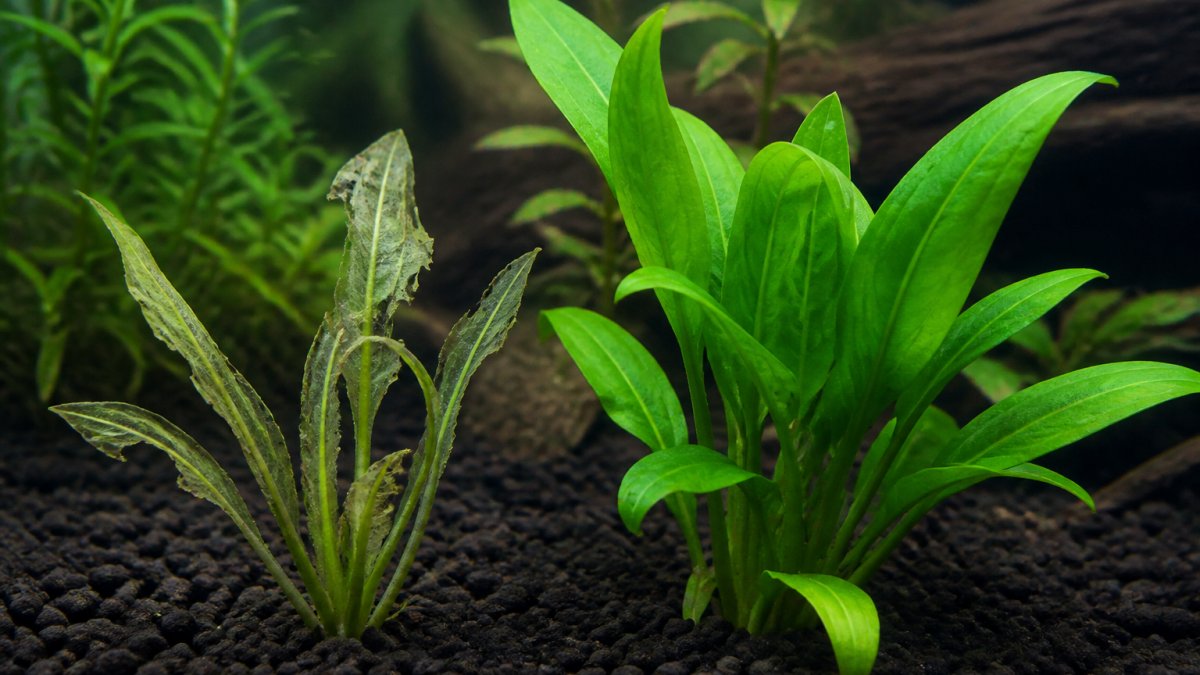
Melting Leaves vs Rot, Algae, and Nutrient Deficiency
Not all plant decline is melt. Telling them apart changes what you do next.
- Melt: Leaves turn glassy or translucent, then dissolve. Often hits many leaves at once, fast.
- Rot: Starts at the rhizome or base. Soft, dark, foul-smelling tissue.
- Algae: Fuzzy or slimy coating on leaves. The leaf underneath is still firm.
- Nutrient deficiency: Yellowing or pinholes, but leaves keep their shape.
Melt is a reaction to change. Rot is usually a sign of buried rhizomes or poor water quality.
The Real Cause: Emersed to Submerged Growth Transition
Most aquarium plants are grown emersed at nurseries, meaning above water. When you plant them, they must build new leaves suited to life underwater. The old emersed leaves often die off in the process. That's transition melt, and it's normal.
The plant isn't dying. It's rebuilding.
Environmental Triggers: Water Conditions, Lighting, Nutrients, and CO2
Sudden swings stress plants more than steady "wrong" numbers. A tank that has run at pH 7.4 for months is usually fine; a tank that jumps from 6.6 to 7.6 in a week is not. Stability matters more than perfection, and the fastest way to find the trigger is to change one variable at a time and log the result.
Water Parameters and Water-Change Routine
Big water changes can shock plants. So can a shift in pH, hardness, or temperature. Test these before you change anything else:
- Temperature: 72-78°F suits most tropical species. Match new water to tank temperature within 1-2°F before adding it.
- pH: Many common plants tolerate 6.5-7.5, but the swing matters more than the number. A shift of more than about 0.5 pH in a day is a common melt trigger.
- General hardness (GH) and carbonate hardness (KH): Most hardy species handle moderate hardness. Very soft water paired with a sudden KH drop can stall growth in plants that prefer harder water.
- Ammonia and nitrite: Should read zero in a cycled tank. Any readable ammonia means the tank is not fully cycled and plants are working against water-quality stress, not just transition stress.
- Nitrate: 5-20 ppm is a common target for planted tanks. Persistently high nitrate often points to overstocking or missed water changes, not a plant problem.
A common pattern: a new keeper does a 50% water change in a freshly set-up tank, the temperature and pH shift at once, and the plants melt within 48 hours. Smaller, more frequent changes (10-20%) with matched temperature cause far less shock than one large change.
Lighting, Fertilizer Dosing, and CO2 Injection Changes
A lighting upgrade, a new fertilizer, or added CO2 all force plants to re-tune. The mechanism is simple: photosynthesis, nutrient uptake, and CO2 demand have to stay in balance. Push one up without the others and the plant stalls, algae moves in, or leaves dissolve.
- Lighting: Keep the photoperiod steady at 6-8 hours. If you increase intensity, do it in small steps over 1-2 weeks, not all at once. Too much light without enough nutrients or CO2 invites algae; too little light slows recovery.
- Fertilizers: Switching from a low-dose all-in-one to a high-tech regimen, or vice versa, is a common melt trigger. Match dosing to plant mass and light level. Heavy root feeders often need root tabs in addition to water-column dosing.
- CO2: Turning CO2 on, off, or up too fast changes the plant's growth mode. If you inject, aim for a stable concentration during the photoperiod and avoid large day-to-day swings. Dropping CO2 suddenly can cause leaves to yellow and thin.
A Simple Diagnostic Order
When you do not know the cause, work through this order and stop when the plants stabilize:
- Confirm ammonia and nitrite are zero.
- Confirm temperature and pH are stable day to day.
- Confirm the photoperiod has not changed.
- Confirm fertilizer dosing has not changed.
- Confirm CO2 (if used) has not changed.
- Only then consider substrate, flow, or stocking changes.
This order catches the most common triggers first and avoids the trap of adjusting everything at once, which usually makes melt worse.
Shipping Damage, Transplant Shock, and Handling
Plants shipped bare-root arrive stressed. Bruised stems and crushed leaves melt first, often within 3-5 days of arrival. Transplant shock happens when roots are disturbed or rhizomes get buried too deep, and it can show up 1-2 weeks after planting. The two look similar but have different fixes, so match the symptom to the cause before you act.
Cryptocoryne Wendtii var. "Red" →
Symptom-to-Cause Map
- Crushed or blackened stem tips, mushy leaves at the top of the plant: Physical shipping damage. Trim the damaged tissue back to firm, green stem and let the plant recover.
- Leaves turn translucent from the base upward, rhizome still firm: Transplant or transition stress. Leave the plant in place and watch the crown for new shoots.
- Rhizome soft, dark, and foul-smelling: Rot, usually from being buried. Lift the rhizome so it sits at or just above the substrate surface.
- Whole plant collapses within 48 hours of planting: Often a combination of root damage and a large water change. Stop changing water for a week and let conditions settle.
Handling New Arrivals
- Float the bag or container in the tank for 15-20 minutes to equalize temperature.
- Open the bag and let the plant sit in tank water for another 10-15 minutes if it was shipped in a different water source.
- Remove any dead or mushy tissue before planting. Do not bury the rhizome.
- Plant into the substrate with the crown at or just above the surface.
- Leave the plant alone for at least 7 days. Do not dose extra fertilizer or change lighting to "help" it.
When to Keep and When to Remove
A plant is worth keeping if the rhizome is firm and pale, even if every leaf has melted. Trim dead leaves at the base so they do not foul the water, but leave any green or firm tissue in place. If the rhizome is soft, dark, and smells bad, the plant is rotting and should be removed before it affects the rest of the tank.
Recovery Timeline After Shipping or Transplant
- Days 1-3: Stress response. Some leaf loss is normal.
- Days 4-10: Peak melt window. Trim dead tissue, keep conditions stable.
- Days 10-21: New growth should appear at the crown or along the rhizome.
- Days 21-30: If there is still no new growth and the rhizome is firm, wait another week. If the rhizome is soft, remove the plant.
How Long Aquarium Plant Melt Lasts
Melt typically runs its course in one to three weeks. Mild cases from shipping settle in about a week. Full transition melt can take two to three weeks as old leaves fade and new ones emerge. If melt continues past a month, something else is wrong: check your water, light, and substrate.
Will Melted Aquarium Plants Grow Back?
Yes, in most cases. If the rhizome and roots stay firm and healthy, the plant will push new leaves. Remove decaying foliage so it doesn't foul the water. Watch the crown for fresh shoots. Hardy species like Cryptocoryne often bounce back stronger than before.
How to Prevent Aquarium Plant Melt
Prevention comes down to choosing sturdy plants and keeping conditions steady. Here's what we recommend:
- Pick fully transitioned plants that are already grown underwater.
- Acclimate new arrivals slowly to tank temperature.
- Keep the rhizome above the substrate.
- Change one thing at a time: light, ferts, or CO2.
- Hold a steady water-change schedule.
- Add root tabs for heavy root feeders.
At Ohenrystanksalot, 85% of our plants are fully transitioned to aquatic environments, so they skip the worst of the melt phase. Our Cryptocoryne Wendtii var. "Red" is a hardy, low-light choice that tolerates a range of water parameters, making it a strong pick for beginners.

| Problem | Likely Cause | Fix | Timeline |
|---|---|---|---|
| Translucent leaves | Transition or shipping stress | Wait, watch for new growth | 1-3 weeks |
| Soft, dark base | Rhizome rot | Lift rhizome above substrate | Varies |
| Yellowing, pinholes | Nutrient deficiency | Add root tabs | 2-4 weeks |
| Fuzzy coating | Algae | Reduce light, check nutrients | 1-2 weeks |
Species-Specific Recovery: Cryptocoryne and Other Hardy Plants
Cryptocoryne species are famous for "crypt melt," a dramatic but temporary reaction to change. They often lose every leaf, then regrow from the rhizome within weeks. Other tough options include most Wendtii variants, which tolerate low to medium light and many water conditions.
Our Cryptocoryne Lutea grows slowly and sends out runners, making it a forgiving foreground or midground plant. For heavier root feeders, Cryptocoryne Beckettii var. Petchii stays compact at 4 to 6 inches and handles low light well.

The key with all of these: patience. Give the rhizome time, keep conditions stable, and new growth will follow.
Frequently Asked Questions
How long does aquarium plant melt last?
Most transition melt runs 1 to 3 weeks after planting, though heavy cases can stretch to 4 weeks. During this time the plant is rebuilding leaves suited to submerged growth. If you see no new growth after a month, check water parameters, lighting, and nutrient dosing. Cryptocoryne varieties often take the longest, sometimes 3 to 4 weeks.
Will melted aquarium plants grow back?
Yes, if the rhizome and roots stay firm. Melt is a stress response, not a death sentence for the whole plant. Once water conditions stabilize, the plant pushes out new leaves from the rhizome or crown. Remove mushy, decaying foliage so it does not foul the water, but leave firm roots and rhizome in place.
How can I tell whether a plant is melting or dying?
Melting leaves turn translucent and break apart quickly, but the rhizome and roots stay firm and light-colored. Dying plants show brown, mushy rhizomes, foul smell, and no new growth after weeks. If the crown is soft, the plant is rotting, not melting. Check water parameters and remove decayed tissue.
Should I remove melting leaves from my aquarium?
Trim leaves that are fully translucent or breaking apart, since decaying foliage adds organics and can spike ammonia in a new tank. Leave any leaf that is still green and attached to the rhizome, even if it looks weak. Snip at the base with sharp scissors and remove the debris so it does not clog the filter.
Melt can feel like failure, but it's usually just a plant adjusting to a new home. With steady water, the right light, and hardy species, most plants recover on their own. Ohenrystanksalot grows fully transitioned, CO2-free plants that skip the worst of the melt phase, backed by our Arrive-Alive Guarantee, a 7-day Thrive Policy, and real human support by phone. Shop All Plants and start your tank with greenery that's ready to thrive.