

Guaranteed Live Arrival Aquarium Plants: A 2026 Guide
Table of Contents
- What Guaranteed Live Arrival Actually Covers for Aquarium Plants
- How to Inspect Plants on Arrival Day and Document Damage
- Aquarium Plant Shipping Guarantee: Claim Process and Deadlines
- Hardy Aquarium Plants for Beginners That Survive Shipping
- How to Acclimate Aquarium Plants After Delivery
- Aquarium Plants That Survive Shipping: Choosing Resilient Species
- Why Shipping Damage Isn't Always What It Looks Like
- Frequently Asked Questions
Last Updated: October 10, 2026
What Guaranteed Live Arrival Actually Covers for Aquarium Plants
A guaranteed live arrival aquarium plants policy means the seller commits to delivering healthy, living plants to your door. If plants arrive dead or severely damaged from shipping, you're entitled to a replacement or refund. But here's what most buyers miss: "guaranteed live arrival" doesn't cover every scenario. It covers shipping damage, transit stress, and packaging failure. It does NOT cover neglect after arrival, poor tank conditions, or acclimation mistakes on your end.
At Ohenrystanksalot, we stand behind our plants with an Arrive-Alive Guarantee. Our fully transitioned, no-CO2 plants are bred to survive the journey and thrive immediately in your tank. We use insulated boxes with heat and cold packs during extreme weather at no extra charge. That's the difference between a policy that sounds good and one that actually protects you.
Coverage typically includes:
- Plants that arrive visibly dead or rotting
- Severe leaf damage or stem breakage from rough handling
- Packaging failures that exposed plants to freezing or extreme heat
- Transit delays that stress the plant beyond recovery
What's NOT covered: yellowing leaves within the first week (normal transition), algae on arrival (not damage), or plants that decline because your tank lacks light or nutrients. The guarantee protects against shipping failure, not tank failure.
How to Inspect Plants on Arrival Day and Document Damage
Open your box immediately when it arrives. Don't wait. Plants that have been sealed in darkness for 2-3 days are stressed, and every hour matters for assessment.
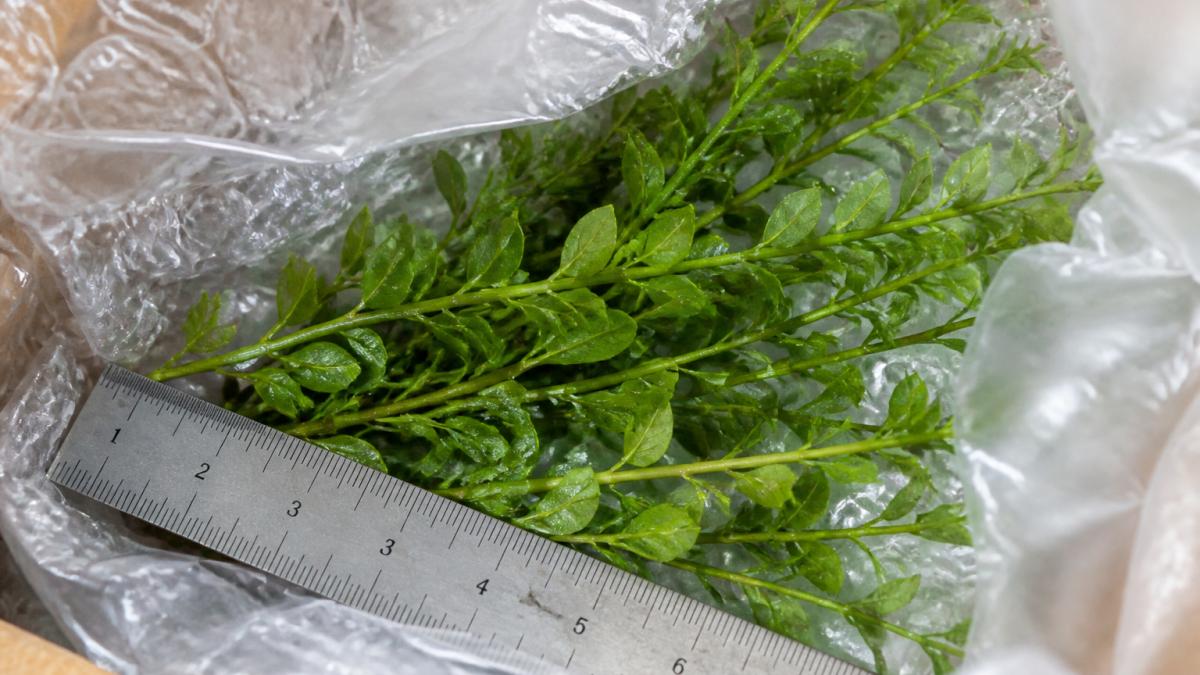
Check for these signs of shipping damage:
- Mushy or translucent stems that collapse when touched
- Black or brown slime on leaves or roots
- Leaves that are completely detached or shredded
- A foul smell indicating bacterial breakdown
- Ice crystals or frost damage on foliage
Take photos or video of any damage BEFORE you remove plants from packaging. Show the plant in the box, the condition of leaves, and any visible decay. A ruler in the photo helps document the severity. Many sellers require this visual evidence to process claims.
Normal post-shipping stress looks different. Slight browning at leaf edges, some leaf drop, or a wilted appearance within the first 24 hours is the plant recovering from transit. These plants usually bounce back within a week once they're in your tank with light and water flow. Don't confuse recovery with damage.
Document everything. Write down the date received, time opened, temperature when you opened the box (if you have a thermometer nearby), and a detailed description of each plant's condition. If you need to file a claim, this record is your proof.
Aquarium Plant Shipping Guarantee: Claim Process and Deadlines
Most sellers require you to submit a claim within 7 days of arrival. The longer you hold the plants, the harder it is to prove the damage came from shipping versus your own care.
Here's the typical claim process:
-
Contact the seller within the deadline, Email, phone, or their online claim form. Include your order number and the date you received the shipment.
-
Provide photo or video evidence, Send clear images of the damaged plants in their packaging. Show stems, leaves, and any rot or decay. A ruler in the photo helps establish severity.
-
Describe the damage clearly, Don't just say "plants arrived dead." Explain what you saw: "Three stems were black and mushy. The Java moss was completely disintegrated in the box."
-
Wait for approval, The seller reviews your evidence and decides whether the damage qualifies under their guarantee. This usually takes 2-5 business days.
-
Receive your remedy, Approved claims typically result in a replacement shipment or store credit.
At Ohenrystanksalot, we handle claims personally. Call us or email with photos, and we'll make it right. We don't hide behind automated responses or impossible deadlines. Our 7-day Thrive Policy gives you a full week to assess your plants and file a claim if needed.
Hardy Aquarium Plants for Beginners That Survive Shipping
Not all plants handle shipping equally. Some are fragile and arrive stressed. Others are bulletproof. If you're new to aquatic plants, choose species that forgive shipping trauma and adapt quickly to new tanks.
Java Fern, Nearly impossible to kill. Arrives looking rough but recovers in days. Tie it to rocks or driftwood; don't bury the rhizome. Low light friendly.
Anubias, Another tank legend. Slow-growing but extremely hardy. Like Java Fern, it needs to be attached to hardscape, not planted in substrate. Tolerates low light and poor conditions.
Amazon Sword, A beginner favorite. Grows quickly once settled, which means faster recovery from shipping stress. Needs moderate light and some nutrients, but forgiving of mistakes.
Cryptocoryne, Smaller plants that ship well because they're compact. They sometimes melt after planting (a temporary decline), but regrow from the roots. Be patient.
Floating Plants, Water sprite, red root floaters, and frogbit are nearly impossible to damage in shipping. They're also fast-growing, so they recover quickly and fill a tank rapidly.
Our 8 Plant Variety Pack and 12 Plant Variety Pack both feature hardy species we've selected specifically because they survive shipping and thrive in beginner tanks. We choose the plants for you, so you get proven survivors without the guesswork.

How to Acclimate Aquarium Plants After Delivery
Acclimation is the bridge between shipping stress and tank success. Your plants spent 2-3 days in darkness, temperature fluctuation, and no water flow. They need time to adjust to your tank's light, water chemistry, and flow.
Start here:
Day 1-2: Gentle rinsing and placement. Rinse plants under cool tap water to remove any packaging debris or shipping material. Remove dead or severely damaged leaves by hand. Plant or attach them in their final position, but in a low-light area of your tank if possible. Don't blast them with direct light immediately.
Day 3-5: Increase light gradually. Move plants into their target light zone slowly. If your plants need moderate light, don't put them under bright lighting on day one. Gradual adjustment prevents shock and allows leaves to adjust their pigmentation.
Week 1-2: Monitor and resist the urge to replant. Some leaves will yellow and drop. This is normal. Resist the urge to dig up the plant and move it. Let the roots establish. New growth will emerge from the base.
Week 2+: Establish a routine. Once plants show new growth, they're acclimated. Now you can adjust light, add fertilizer if needed, and prune.
Common acclimation mistakes: planting too deep (bury only the roots, not the crown), replanting constantly (let roots establish), changing water parameters dramatically (match your tank water to the plant, not vice versa), and expecting instant growth (give it 3-4 weeks).
Aquarium Plants That Survive Shipping: Choosing Resilient Species
The best shipping survivors share common traits: hardy root systems, thick leaves, slow growth rates, and low nutrient demands. They also tend to be forgiving of temperature swings and light changes.
Stem plants that ship well: Ludwigia repens, Alternanthera reineckii, Bacopa monnieri. These are tougher than they look. They arrive looking beaten up but recover in 1-2 weeks.
Carpet plants: Dwarf hairgrass is notorious for melting after shipping, but Echinodorus tenellus (chain sword) is more resilient. Both need time to acclimate, but chain sword bounces back faster.
Epiphytes: Java Fern, Anubias, and Bucephalandra are the shipping champions. Attach them to rocks or wood instead of planting them. They'll grow slowly but steadily.
Floating plants: These are the easiest to ship because they're already floating. Water sprite, red root floaters, and frogbit arrive in good condition and grow immediately.
Bulb plants: Amazon sword, crypts, and Echinodorus species grow from bulbs. Even if the leaves arrive damaged, the bulb survives and regrows. Very reliable.
Choose plants based on your tank's light level and your patience for acclimation. Low light? Stick with Java Fern and Anubias. Moderate light? Add crypts and sword plants. But for shipping survival, the hardy, slow-growing species always win.
Why Shipping Damage Isn't Always What It Looks Like
Here's where most buyers get confused: a plant that looks dead on arrival might not be. And a plant that looks fine might have hidden damage.
What looks bad but recovers: Wilted leaves, slight browning at edges, some leaf loss, a pale or dull appearance. These are stress responses. The plant's vascular system is intact. It will recover with light, water flow, and time.
What actually indicates damage: Mushy stems, black slime, a foul smell, completely detached leaves, or stems that snap when you touch them gently. These indicate bacterial or fungal breakdown. The plant's structure is compromised.
The confusion happens because shipping stress and shipping damage look similar for the first 24-48 hours. A plant might arrive looking pale and droopy. You think it's dead. But after 24 hours in your tank with light and flow, it perks up. That was stress, not damage.
This is why the 7-day window matters. You need time to see whether the plant recovers. If it's truly damaged, it won't improve. If it's stressed, it will.
Temperature swings during shipping cause stress, not always damage. A plant exposed to cold for a few hours will look wilted and sad. But if the cold didn't freeze the cells, the plant survives. Heat exposure is trickier.
This is why insulated shipping with heat packs or cold packs matters. At Ohenrystanksalot, we monitor weather forecasts and include packs automatically during extreme seasons. We've learned that the difference between a plant arriving alive and one arriving barely-alive is often just a few degrees and a bit of insulation.
Shipping aquarium plants is stressful, but it doesn't have to be a gamble. A guaranteed live arrival aquarium plants policy protects your purchase. The key is choosing a seller who takes shipping seriously, selecting hardy species that forgive transit trauma, and understanding what damage actually looks like versus normal acclimation stress.
Get started with Ohenrystanksalot and our Arrive-Alive Guarantee. We ship plants the same day you order, use climate-controlled insulation, and stand behind every shipment with a 7-day Thrive Policy. Our fully transitioned, no-CO2 plants arrive ready to plant, no special equipment or expertise required. Shop All Plants and experience the difference a family-run business makes.
Frequently Asked Questions
What does a guaranteed live arrival aquarium plants policy actually cover?
A guaranteed live arrival policy covers plants that arrive dead or too damaged to survive. Most policies require photo evidence showing the plant condition within 24-48 hours of delivery. Coverage typically includes replacement plants, refunds, or store credit. Always check the specific terms, some sellers cover only the plant cost, not shipping. Read the fine print on deadlines for submitting claims and what counts as 'dead on arrival' versus normal acclimation stress.
How do I tell the difference between shipping damage and normal plant transition?
Shipping damage appears immediately: crushed leaves, broken stems, or mushy texture throughout the plant. Normal transition is gradual, a few leaves may yellow or melt over 1-2 weeks as the plant adjusts to your tank. Dead on arrival means the entire plant is brown, slimy, or shows no green tissue. Take photos with a ruler next to the plant on day one. If the plant is mostly green with intact stems but a few outer leaves are damaged, that's usually recoverable with proper acclimation. If the core is mushy or the entire plant is translucent, document it immediately and file a claim within your seller's deadline.
How long do I have to file a claim if aquarium plants arrive dead?
Most sellers require claims within 24-48 hours of delivery. You'll need photo evidence taken on arrival day, don't wait. Include a ruler in photos to show scale and condition clearly. Document the plant's condition in the box before removing it. Check your order confirmation or the seller's guarantee policy for the exact deadline; missing it usually means you forfeit the claim. Submit your claim with photos, your order number, and a brief description of what arrived.
What's the best way to acclimate aquarium plants after they arrive?
Start by rinsing the plants gently under room-temperature water to remove shipping material and reduce any snail eggs. Place them in a quarantine container or the main tank for 30 minutes to adjust to your water temperature. If planting stem plants, trim the lower leaves and plant the stems firmly into substrate. For plants like Java moss or Anubias, tie them to rocks or driftwood with fishing line, don't bury them. Keep lighting moderate for the first week; some leaf melt is normal. Avoid fertilizers or major changes for the first week while plants acclimate.