

Best Aquatic Plants for Hot Climates
Table of Contents
- Best Aquatic Plants for Hot Climates: Quick Comparison
- Aquarium Plants for Warm Water: Rooted Species That Handle Heat
- Floating Plants That Tolerate Direct Sunlight and Heat
- Heat-Tolerant Pond Plants for Outdoor Water Gardens
- Understanding Aquatic Plant Temperature Requirements
- How to Support Aquatic Plants During Heat Waves
- Frequently Asked Questions
Last Updated: October 12, 2026
Best Aquatic Plants for Hot Climates: Quick Comparison
When water temperatures climb above 78°F, most aquatic plants start showing stress: leaves yellow and growth slows. Some species thrive in warm water while others can't handle the heat. We've learned which species actually flourish when the thermometer rises.
The best aquatic plants for hot climates have proven heat tolerance, fast growth, and the ability to adapt without melting or developing algae problems. They fall into three categories: rooted submersed species, free-floating plants, and marginal pond plants, each suited to aquariums, greenhouse tanks, or outdoor water gardens.
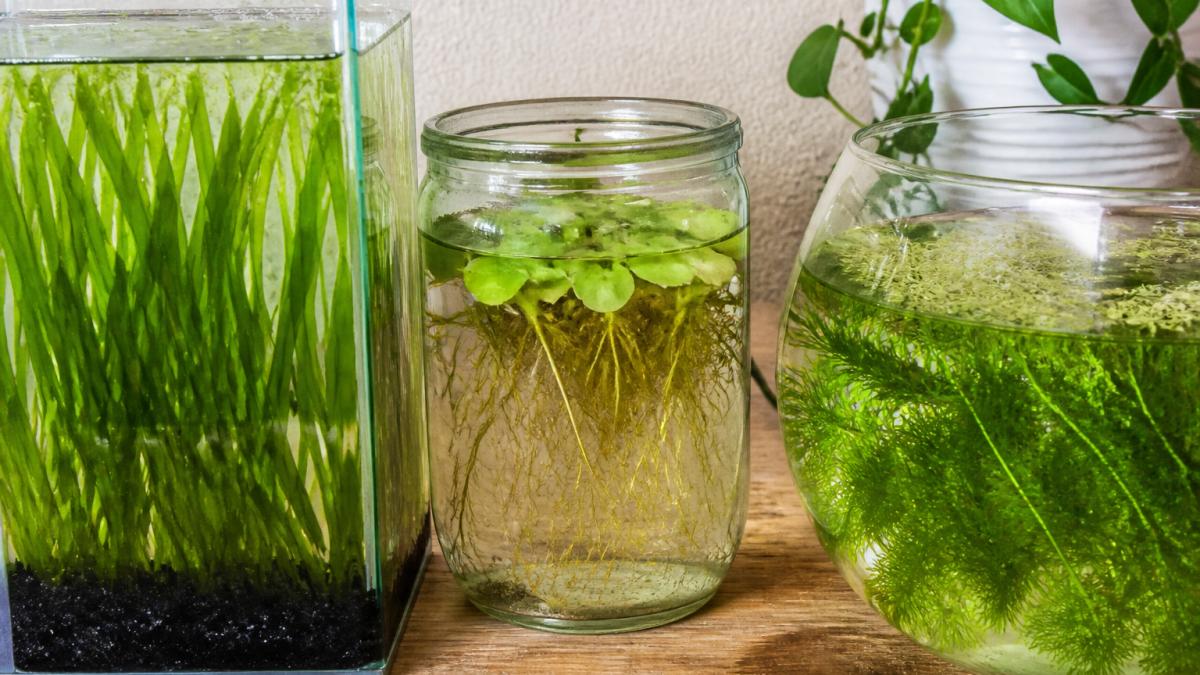
| Plant Type | Heat Tolerance | Growth Rate | Best Water Depth | Maintenance |
|---|---|---|---|---|
| Vallisneria Species | Excellent (up to 85°F) | Very Fast | 12+ inches | Low, propagates via runners |
| Anacharis | Good (up to 82°F) | Fast | 8-24 inches | Low, flexible placement |
| Red Root Floaters | Good (up to 80°F) | Moderate | Surface | Low, self-propagating |
| Frogbit | Good (up to 80°F) | Moderate | Surface | Low, nutrient absorber |
| Salvinia Minima | Excellent (up to 84°F) | Fast | Surface | Low, mat formation |
| Azolla | Excellent (up to 85°F) | Very Fast | Surface | Low, color changes with light |
Aquarium Plants for Warm Water: Rooted Species That Handle Heat
Rooted submersed plants anchor in substrate and draw nutrients from the water column and soil. In warm water they're your backbone: stable, non-invasive, and they give fish real hiding places. Choose species that accelerate growth in higher temperatures instead of melting.

Vallisneria species are the workhorses of warm-water aquariums: dependable, grass-like plants that grow tall, fill space quickly, and handle temperature swings that stress delicate species. Adapted to warm, flowing freshwater, they need no CO2 injection, propagate through runners, and grow in many light conditions.
Vallisneria Species: Fast-Growing Grass Plants
Vallisneria is perhaps the most reliable choice for hot climates, growing in dense bunches that create a natural background wall and propagate continuously. The three main varieties at Ohenrystanksalot serve different tank sizes and aesthetics.
Aquatic plant temperature tolerance research shows that Vallisneria maintains active growth above 78°F and continues thriving up to 85°F. The Jungle Val grows aggressively, reaching 4 to 6 feet, and works best in larger tanks where you want a wild, densely planted look.
All Vallisneria share the same planting strategy: bury the roots in nutrient-rich substrate, leave the crown above the soil, and provide medium to high light. Runners appear within weeks, developing plantlets you can twist off and replant.
Anacharis: Flexible Submersed Grower
Anacharis (Egeria densa) is the opposite of Vallisneria: a column plant with fine, feathery leaves that builds vertical walls of green. It tolerates many water parameters and temperatures, making it ideal for beginners unsure about their setup.
It doesn't demand substrate roots; many aquarists let it free-float or anchor it with plant weights. In warm water, Anacharis grows fast enough to outcompete algae for nutrients, and it recovers from neglect, poor lighting, and temperature fluctuations that stress other species.
One limitation: in very low light, Anacharis becomes stringy and loses lower leaves. In warm tanks with medium to high light, it stays dense and attractive, and it's a favorite hiding spot for fish fry and shrimp.
Floating Plants That Tolerate Direct Sunlight and Heat
Floating plants are the speed demons of the aquatic world: no substrate needed, they absorb excess nutrients directly from the water column, and they propagate so fast you'll remove handfuls weekly. In hot climates they can nearly double their growth rate compared to cooler tanks.
The challenge is managing their explosive growth without blocking light to plants below, so prune regularly and use floating rings or dividers. The payoff: floating plants are your best defense against algae in warm water because they consume the excess nutrients that fuel blooms.
Red Root Floaters and Frogbit: Nutrient Absorbers
Red Root Floaters are perhaps the holy grail of floaters for many aquarists. Their green-to-pink leaves and thick red roots are striking, and they grow slower than other floaters, making them manageable.
Frogbit is the heavy hitter for nutrient absorption. Its large, round leaves create dense coverage, and its roots grow several inches long, sheltering fish fry. It tolerates up to 80°F, grows well in medium to high light, and propagates via side shoots; removing offshoots encourages larger leaves.
Both excel at absorbing excess nitrates in heavily stocked tanks. In warm water, where fish metabolism accelerates and waste accumulates faster, they become essential for water quality: beginner-friendly, nearly impossible to kill, and they reduce algae problems.
Salvinia Minima and Azolla: Compact Heat Lovers
Salvinia Minima forms tight mats of small, round leaves that stay clumped together, unlike duckweed, which scatters and clogs filters. It thrives up to 84°F and is a favorite among goldfish keepers because goldfish leave its fuzzy texture alone. It's also excellent for heavy bioload tanks, absorbing excess nutrients aggressively.

Azolla Caroliniana is a true oddity: technically a fern, it shifts from vibrant green to orange-red depending on light intensity. In warm water with high light it turns brilliant red.
Both Salvinia and Azolla are low-maintenance and self-propagating, needing no fertilizer, no CO2, and minimal pruning beyond scooping out excess growth. In warm tanks they're your cleanup crew, absorbing excess nutrients and shading fish that prefer lower light.
Heat-Tolerant Pond Plants for Outdoor Water Gardens
Outdoor pond plants face different challenges: 8-12 hours of direct sunlight daily, larger day-night temperature swings, and whatever water conditions develop naturally, with no filters or water changes.
For hot climates with intense sunlight, you need pond plants that thrive under heat, not just tolerate it.
Vallisneria Gigantea, "Jungle Val" →
Vallisneria works beautifully in outdoor ponds: it handles direct sunlight, propagates aggressively in warm water, and creates dense vegetation fish use for breeding and shelter. In a pond, fast growth is an advantage, filling space quickly and crowding out invasive algae.
The floating plants above also work in ponds, but manage them aggressively: without filtration they can become invasive and choke the surface, so use nets or dividers.
Understanding Aquatic Plant Temperature Requirements
Temperature is the single biggest factor determining whether an aquatic plant thrives or melts. Every plant has a comfort zone where it grows actively and a tolerance ceiling where it survives but struggles. Understanding these ranges helps you pick plants that match your climate instead of fighting it.

Temperature Ranges by Species
Most tropical aquatic plants come from slow-moving rivers and swamps, evolved for steady warmth rather than temperature swings. That's why popular plants like Anubias, Java fern, and Cryptocoryne struggle above 78°F: their metabolism accelerates, they consume nutrients faster than they can absorb them, and leaves break down.
The heat-tolerant species we've covered maintain active growth and stable metabolism across a wider band: Vallisneria grows strongly from 68°F to 85°F, Salvinia and Azolla handle 70-85°F, and Anacharis performs from 60-82°F.
Water above 86°F becomes dangerous for most aquatic plants. Oxygen dissolves less readily, so plants in still tanks suffocate, algae blooms accelerate, and fish metabolism spikes, creating more waste and ammonia that stresses plants further.
Signs of Heat Stress and Recovery
Heat-stressed plants show predictable signs: leaves yellow or brown at the edges, growth slows or stops, leaves become transparent or develop holes, and floating plants produce smaller new leaves and propagate slower. These appear within 1-2 weeks above the plant's tolerance ceiling.
The good news: heat stress is reversible if caught early, and most plants recover within 2-3 weeks of returning to their comfort zone.
A brief spike to 87°F that returns to 80°F will bounce back on its own, but sustained heat above 85°F causes permanent damage: yellowed leaves won't green up again, though new growth emerges healthy if conditions improve.
How to Support Aquatic Plants During Heat Waves
Heat waves test every aquarium and pond. Water temperature can climb 5-10°F above normal in hours if your tank sits in direct sunlight or room temperature spikes, stressing even heat-tolerant plants.
First, cool the water. Cheaper options include moving the tank out of direct sunlight, increasing circulation with an air pump or powerhead, doing larger water changes with cooler water, or floating sealed ice packs.
Second, increase maintenance.
Third, prune aggressively: remove yellowed or damaged leaves, trim floating plants so they don't block light below, and thin dense growth to improve circulation.
For outdoor ponds, add shade cloth during extreme heat to cut sunlight intensity without blocking it entirely.
The best aquatic plants for hot climates are those that accelerate growth under warm conditions instead of struggling. Vallisneria species, Anacharis, floating plants like Salvinia and Azolla, and Red Root Floaters all thrive when water temperatures climb. Our Arrive-Alive Guarantee and climate-controlled shipping ensure your plants arrive healthy and ready to grow, even during extreme weather. Shop All Plants and build a thriving warm-water aquascape today.
Frequently Asked Questions
What aquatic plants can tolerate high water temperatures?
Vallisneria species, Hornwort, and floating plants like Red Root Floaters and Frogbit are among the most heat-tolerant aquatic plants. These species thrive in water temperatures ranging from 72°F to 86°F and higher. Vallisneria is particularly adaptable, growing well across a wide range of water parameters including temperature fluctuations common in warm climates. Hornwort tolerates even higher temperatures and works in both tanks and ponds. Floating plants absorb excess heat through their leaves and adjust naturally to warm water conditions.
How do I know if my aquatic plants are experiencing heat stress?
Heat-stressed plants typically show yellowing leaves, slower growth, or leaf melting, the breakdown of plant tissue in water. Some plants may develop brown spots or appear translucent. If you notice these signs, check your water temperature and consider adding shade, improving water circulation with an air stone, or performing partial water changes to cool the tank. Most hardy species recover quickly once temperature stabilizes. Fully transitioned plants from Ohenrystanksalot are cultivated to handle temperature swings, reducing melt risk significantly.
Can aquatic plants grow in direct sunlight in outdoor ponds?
Yes, many aquatic plants thrive with direct sunlight in outdoor ponds, including Vallisneria, Hornwort, and floating plants like Salvinia Minima and Red Root Floaters. Direct sunlight actually encourages faster growth and vibrant coloration in species like Red Root Floaters, which develop pink hues under high light. However, intense sunlight can increase water temperature and algae growth. In very hot climates, provide 4-6 hours of direct sunlight and partial shade during peak afternoon heat to balance growth with temperature control.
Which aquatic plants are best for beginners in warm climates?
Vallisneria species, Anacharis, and Hornwort are ideal for beginners because they're forgiving of temperature swings and require minimal equipment. Vallisneria Nana ($3.00) and Vallisneria Americana Corkscrew ($5.50) grow in varied water parameters and temperatures without CO2 injection. Anacharis ($4.00) is equally adaptable. For floating options, Red Root Floaters ($5.50) and Frogbit ($5.50) are beginner-friendly and heat-tolerant. All these plants arrive fully transitioned from Ohenrystanksalot, so they establish immediately without the risk of melting, a common beginner frustration.
How do I prevent aquatic plants from melting when they arrive in hot weather?
Ohenrystanksalot ships with insulated boxes and heat or cold packs at no extra charge during extreme weather, protecting plants during transit. Upon arrival, acclimate plants gradually by floating them in your tank for 15-20 minutes before planting. Avoid placing them directly in very warm water. Since all plants are fully transitioned and CO2-free, they adjust quickly without the melt risk associated with non-transitioned plants. The Arrive-Alive Guarantee and 7-day Thrive Policy ensure your investment is protected even in challenging climates.